
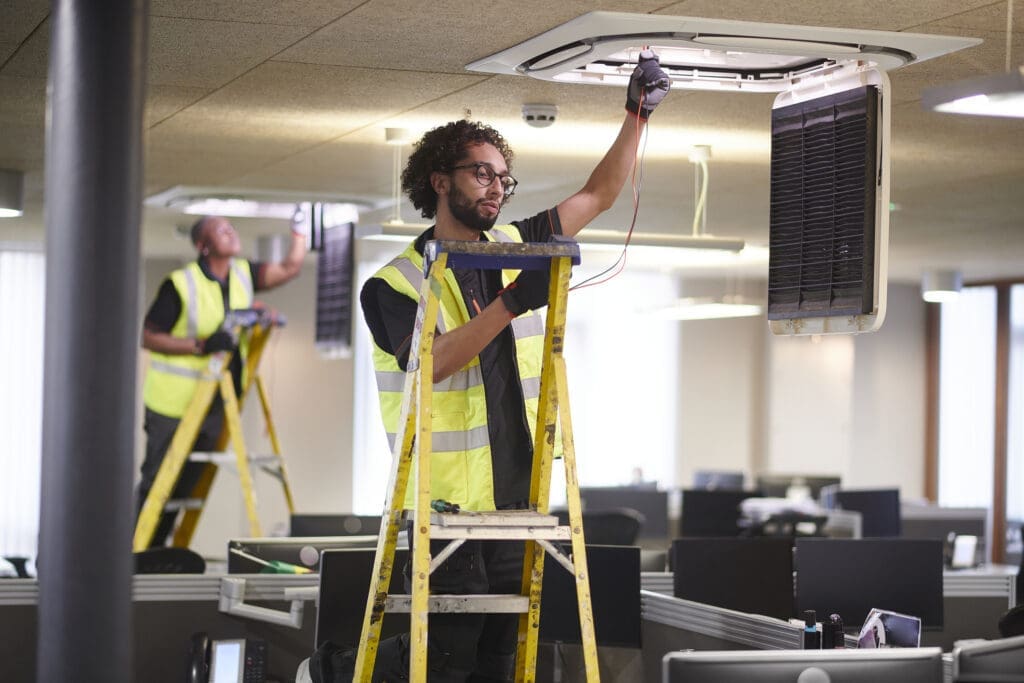
The demand for skilled HVAC technicians continues to grow as homes, businesses, and facilities rely on heating, ventilation, and air conditioning systems to maintain comfort and efficiency. For individuals considering a career in the skilled trades, HVAC offers a pathway to stable employment, hands-on work, and long-term career growth.
If you’re interested in entering the field, understanding what employers look for in entry-level HVAC technicians can help you prepare for success. While experience is valuable, many employers hiring new technicians are equally focused on foundational knowledge, technical aptitude, and professional skills.
Technical Knowledge and Hands-On Skills
One of the first things employers evaluate is whether a candidate has a solid understanding of HVAC fundamentals. Entry-level technicians are not expected to know everything, but they should be familiar with basic concepts such as:
- Heating and cooling system components
- Refrigeration principles
- Airflow and ventilation systems
- Electrical fundamentals
- Safety procedures and best practices
Employers want to know that new hires can safely work with equipment, understand common HVAC terminology, and apply what they’ve learned in real-world situations. Hands-on training can help students gain confidence and become more comfortable working with tools and equipment before entering the workforce.
A Strong Work Ethic
Technical skills can be taught, but employers also place a high value on dependability and work ethic. HVAC technicians often work in challenging environments, including hot attics, mechanical rooms, and outdoor job sites.
Hiring managers frequently look for candidates who demonstrate:
- Reliability and punctuality
- Willingness to learn
- Positive attitudes
- Strong problem-solving abilities
- The ability to work independently and as part of a team
Employers understand that entry-level technicians are still developing their skills. Showing a willingness to learn and adapt can make a strong impression during the hiring process.
Customer Service and Communication Skills
Many HVAC technicians interact directly with homeowners, business owners, and facility managers. As a result, customer service skills are becoming increasingly important within the industry.
Employers appreciate candidates who can:
- Communicate clearly and professionally
- Explain technical issues in simple terms
- Listen carefully to customer concerns
- Maintain a professional appearance and attitude
Strong communication skills can help technicians build trust with customers and contribute to positive service experiences.
Industry Certifications and Training
While certification requirements vary by employer and location, having relevant training and credentials can make candidates more competitive.
Employers often value technicians who have completed HVAC training programs because they demonstrate a commitment to the profession and have already developed foundational knowledge. Formal training can also help students gain exposure to the tools, equipment, and systems they will encounter in the field.
As HVAC technology continues to evolve, employers increasingly seek technicians who are prepared to learn new systems and stay current with industry standards.

Problem-Solving and Critical Thinking
HVAC technicians frequently encounter equipment issues that require troubleshooting and analysis. Even entry-level technicians should demonstrate the ability to think critically and approach problems methodically.
Employers value candidates who can:
- Follow diagnostic procedures
- Identify potential causes of equipment issues
- Apply logical problem-solving techniques
- Work safely while evaluating system performance
These skills become increasingly important as technicians advance in their careers and take on more complex responsibilities.
Adaptability in a Changing Industry
The HVAC industry continues to evolve with advances in technology, energy efficiency, indoor air quality solutions, and smart home systems. Employers are looking for technicians who are open to learning and adapting as the industry changes.
Modern HVAC professionals may work with:
- Smart thermostats
- Energy-efficient equipment
- Building automation systems
- Indoor air quality technologies
- Connected monitoring systems
Candidates who embrace ongoing learning are often well-positioned for long-term career growth.
Building a Foundation for Success
Starting a career in HVAC begins with developing the skills, knowledge, and professionalism employers expect from new technicians. While no entry-level candidate is expected to have years of experience, employers consistently look for individuals who are motivated, dependable, and eager to learn.
Training programs can help students build a strong foundation by combining classroom instruction with hands-on experience, preparing them to pursue opportunities in a growing and essential industry.
Start Your HVAC Career Journey
If you’re interested in entering the HVAC field, the right training can help you develop the technical and professional skills employers value most. Merryfield School offers career-focused training designed to help students prepare for opportunities in the skilled trades.
Learn more about Merryfield’s HVAC program and take the first step toward a rewarding career in the heating and cooling industry.
