

If you’ve ever thought about becoming an HVAC technician, you might be wondering what the job really looks like on a day-to-day basis. HVAC stands for Heating, Ventilation, and Air Conditioning, and technicians are the people who install, maintain, and repair the systems that keep our homes and businesses comfortable year-round.
This career can be rewarding, hands-on, and full of variety, but it’s not for everyone. Let’s walk through what a typical day looks like for an HVAC tech so you can decide if this path might be right for you.
Starting the Day: Schedules and Service Calls
Most HVAC technicians start their day early. Depending on the company, you might report to a shop first thing in the morning or head straight from home to your first job site. Your daily schedule usually comes from a dispatcher who assigns you service calls.
- Residential calls often involve fixing or maintaining air conditioners, furnaces, or heat pumps in people’s homes.
- Commercial calls might bring you to an office building, school, or retail store where larger and more complex systems are in place.
According to the U.S. Bureau of Labor Statistics (BLS), about 70% of HVAC technicians work for plumbing, heating, and air-conditioning contractors, while others may work directly for schools, hospitals, or retail companies.
Each day brings a different mix of service calls, which keeps the work from getting repetitive.
Hands-On Work: Repairs and Maintenance
Much of the job involves diagnosing and repairing HVAC systems. A service call might mean:
- Checking refrigerant levels and looking for leaks
- Replacing worn parts like belts, motors, or filters
- Testing electrical circuits and thermostats
- Cleaning coils and ducts to improve efficiency
Preventive maintenance is also a big part of the job. Many customers schedule seasonal tune-ups to make sure their systems are ready for summer or winter. This means an HVAC tech spends a lot of time inspecting systems, making adjustments, and ensuring everything runs safely.
For someone who enjoys problem-solving and working with their hands, this part of the job can be very satisfying.
Customer Interaction: More Than Just Tools
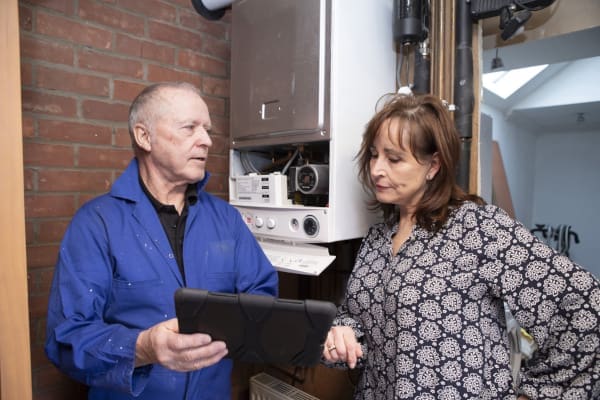
HVAC technicians don’t just work with machines—they also spend a lot of time with people. When you arrive at a job, you’ll need to:
- Listen to the customer’s concerns about their system
- Explain the problem and the repair in plain language
- Give recommendations for maintenance or replacement if needed
Good communication skills are essential. Many customers may not understand HVAC systems, so it’s your job to explain clearly and honestly. Strong customer service can turn a one-time call into a loyal client who asks for you by name.
Tools of the Trade
An HVAC technician’s toolbox is filled with more than just wrenches and screwdrivers. You’ll also use:
- Manifold gauges for measuring refrigerant pressure
- Multimeters for electrical testing
- Vacuum pumps for removing moisture and air from systems
- Specialty hand tools for bending, cutting, and joining metal pipes
In addition, many companies now use tablets or mobile apps to track service calls, log work, and communicate with the office. Being comfortable with technology is increasingly important in this career.
Physical Demands and Working Conditions
It’s no secret, HVAC work can be physically demanding. You might find yourself:
- Carrying heavy equipment up ladders
- Crawling into attics or crawl spaces
- Working in hot conditions while fixing a broken air conditioner in the summer
- Bundling up to repair a furnace in the middle of winter
That said, safety is a top priority. OSHA and industry guidelines require the use of personal protective equipment (PPE) like gloves, goggles, and respirators when needed.
If you enjoy staying active and don’t mind a job that gets you moving, HVAC work can be a great fit.
The Importance of Teamwork
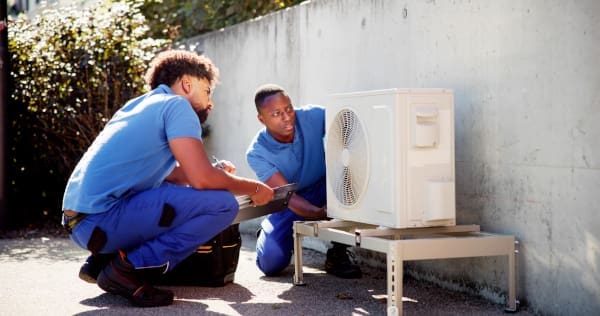
While many HVAC service calls are handled alone, technicians also work closely with others, especially on installation jobs. For example, putting in a brand-new commercial system can require a crew of techs to handle ductwork, wiring, and heavy equipment.
This means teamwork and coordination are key skills. You’ll often collaborate with electricians, plumbers, or construction crews to get the job done right.
The Learning Never Stops
Technology in heating and cooling is always changing. From smart thermostats to energy-efficient heat pumps, today’s systems are more advanced than ever. HVAC techs need to stay up to date with training and certifications.
The Environmental Protection Agency (EPA) requires HVAC technicians who handle refrigerants to hold Section 608 certification. Beyond that, many employers encourage continuing education to keep up with new technology and regulations.
So, if you’re someone who likes learning new things and keeping your skills sharp, this career offers ongoing growth opportunities.
Job Outlook and Stability
One of the big advantages of working in HVAC is job stability. According to the BLS, employment of HVAC mechanics and installers is projected to grow 8% from 2024 to 2034, much faster than the average for all occupations.
Because heating and cooling are essential services, HVAC techs are always in demand. People need comfortable indoor environments no matter the economy or season.
This demand creates opportunities not just for steady work, but also for advancement into roles like lead technician, supervisor, or even starting your own HVAC business.
Is This Career Right for You?
Becoming an HVAC technician can be a great choice if:
- You enjoy hands-on work and solving problems
- You’re comfortable working in a variety of environments, from homes to construction sites
- You like the idea of job stability and good long-term prospects
- You don’t mind physical work and sometimes challenging conditions
- You value a career that keeps you learning and growing
On the other hand, this career might not be the best fit if you prefer a desk job, dislike working in extreme temperatures, or are uncomfortable with physical labor.
Variety and Challenge
A day in the life of an HVAC technician is full of variety; one moment you’re diagnosing a residential air conditioner, and the next you might be helping install a massive system in a commercial building. The work is challenging but rewarding, and it offers both stability and room to grow.
At Merryfield Academy, our HVAC Technician Training Program is designed to prepare you with the knowledge, skills, and confidence needed to step into this role. With hands-on training and real-world preparation, you’ll be ready to take on the challenges, and rewards, of life as an HVAC tech.
If you’re ready for a career that combines technical skill, problem-solving, and job security, HVAC might be the right path for you.
